Dr. Alistair Vance Avatar
Verified Author

Dr. Alistair Vance

Artisan craft specialist, master maker, and workshop educator at HowThingsWorking.xyz. Dedicated to traditional craftsmanship, ceramic science, woodworking, and sustainable studio arts.

How to Read a Climate Graph Monthly Temperatures, Rainfall, and Seasonal Trends
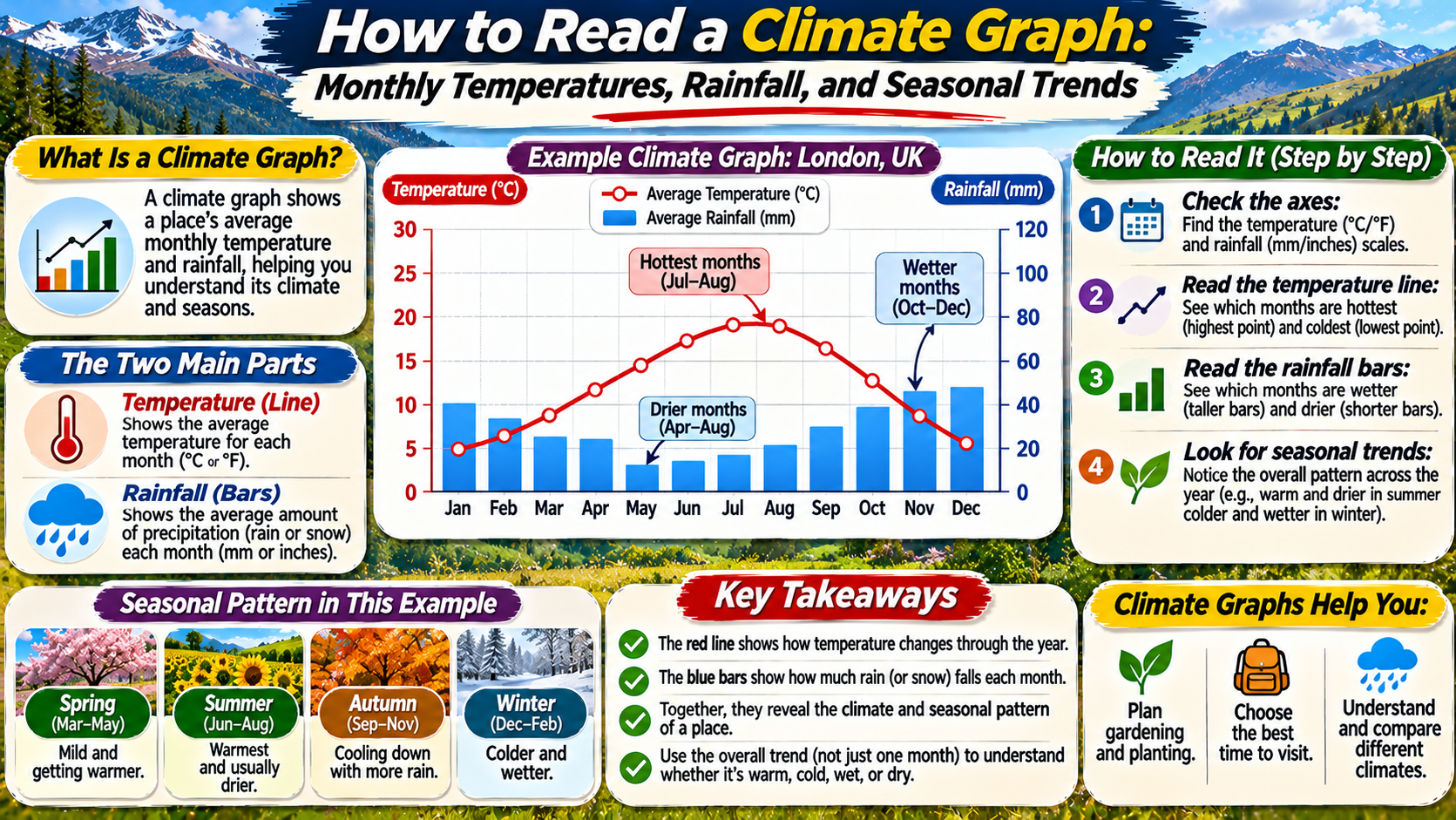
CLIMATE DATA OBSERVATORY / GEOGRAPHY FIELD GUIDE Twelve Months, Two Measurements, One Climate Story Learn to interpret monthly temperature lines, rainfall bars, seasonal patterns, and annual climate statistics with confidence. TEMPERATURE PRECIPITATION SEASONALITY A climate graph can reveal a surprising amount about a place before you know anything else about its geography. With just twelve … Read more
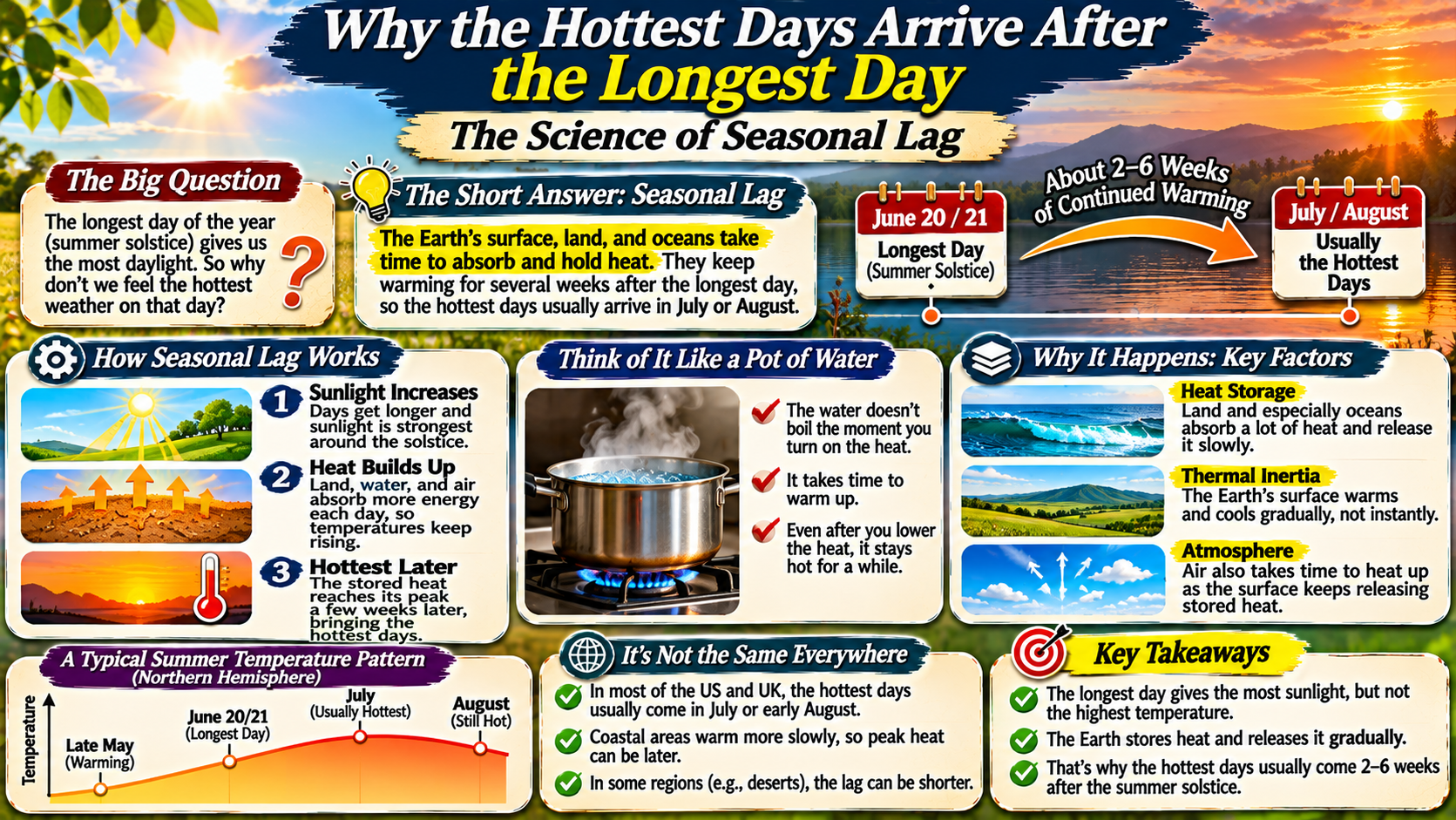
Why the Hottest Days Arrive After the Longest Day Seasonal Lag Explained

CLIMATE OBSERVATORY / THE SCIENCE OF SEASONS Why Summer Keeps Getting Hotter After the Solstice The longest day brings the most daylight, but Earth’s land, oceans, and atmosphere need time to reach their warmest seasonal temperatures. SOLAR ENERGY   /   HEAT STORAGE   /   SEASONAL LAG The summer solstice marks the longest day … Read more

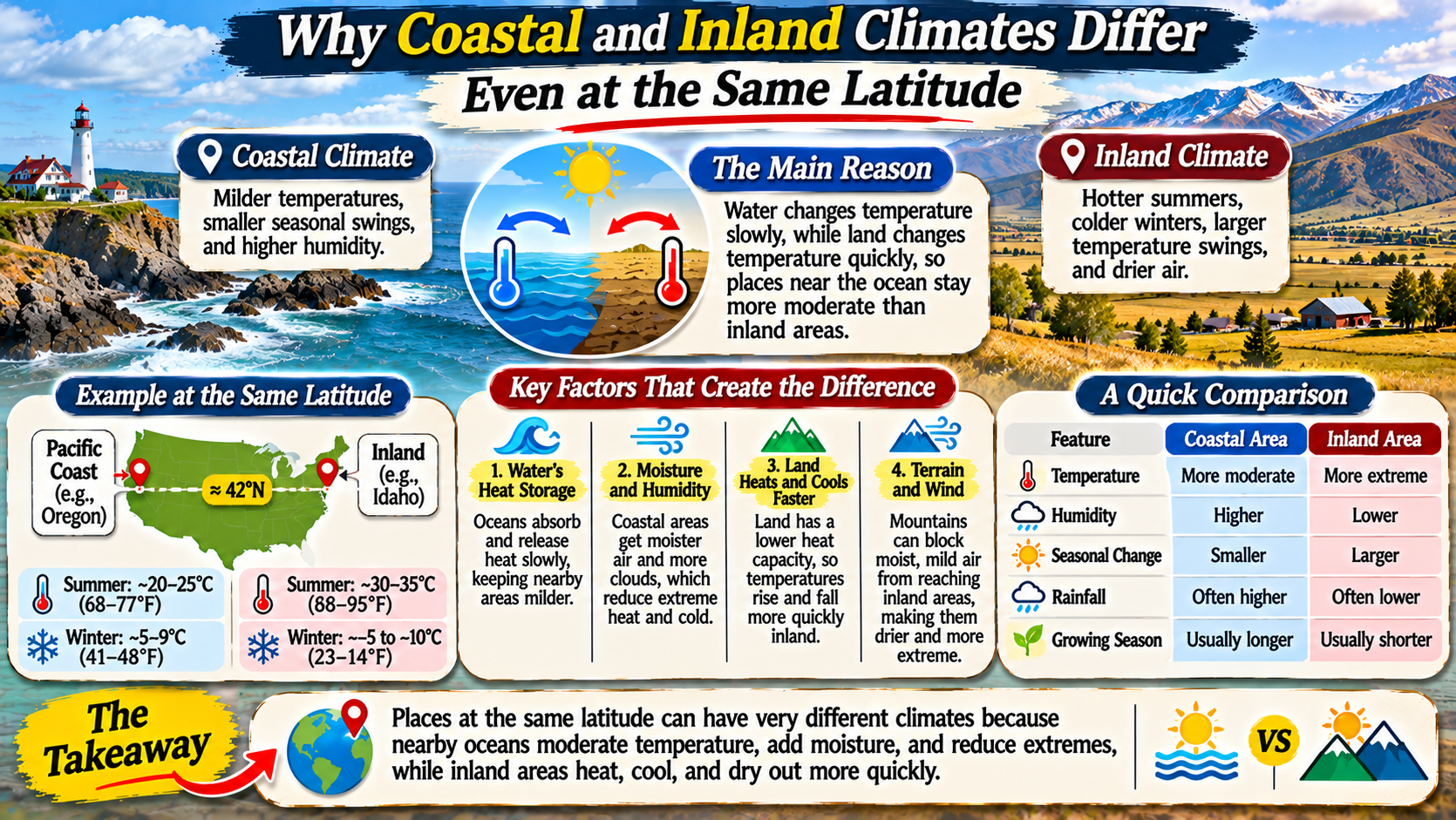
Why Coastal and Inland Climates Differ Even at the Same Latitude

CLIMATE GEOGRAPHY OBSERVATORY · EARTH SCIENCE Same Latitude. Different Weather. Why? Discover why living beside the ocean can feel completely different from living hundreds of miles inland—even when both places receive similar amounts of sunlight. OCEAN INFLUENCE TEMPERATURE RAINFALL Two cities can sit at nearly the same latitude yet experience surprisingly different climates. One may … Read more

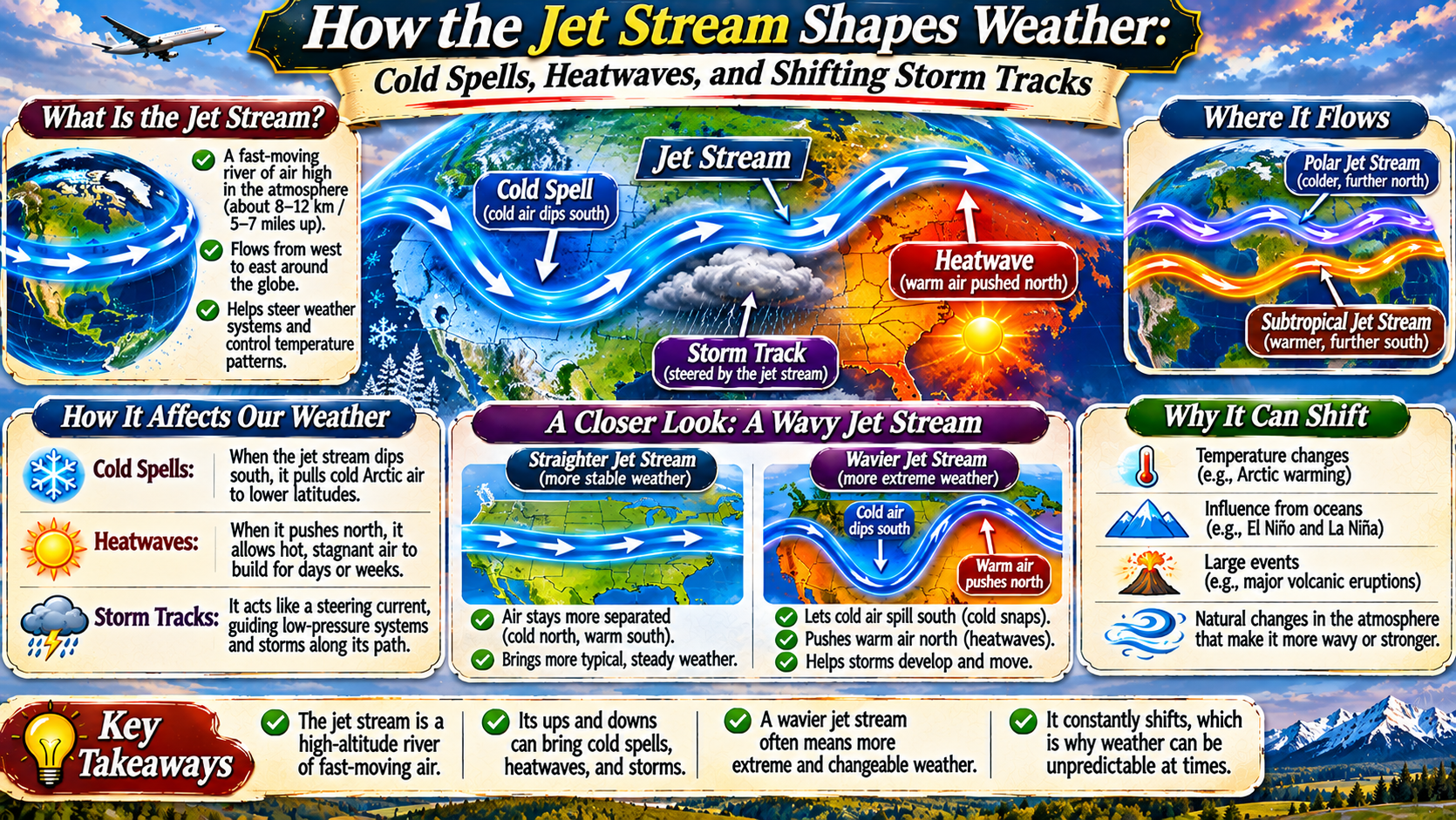
How the Jet Stream Shapes Weather Cold Spells, Heatwaves, and Shifting Storm Tracks

ATMOSPHERIC SCIENCE / WEATHER PATTERNS EXPLAINED The High-Altitude Winds That Steer Our Weather Discover how powerful air currents high above Earth influence winter cold outbreaks, prolonged summer heat, and the paths followed by major storm systems. JET STREAMS EXTREME WEATHER STORM TRACKS Why can one part of the United States experience unusually warm weather while … Read more

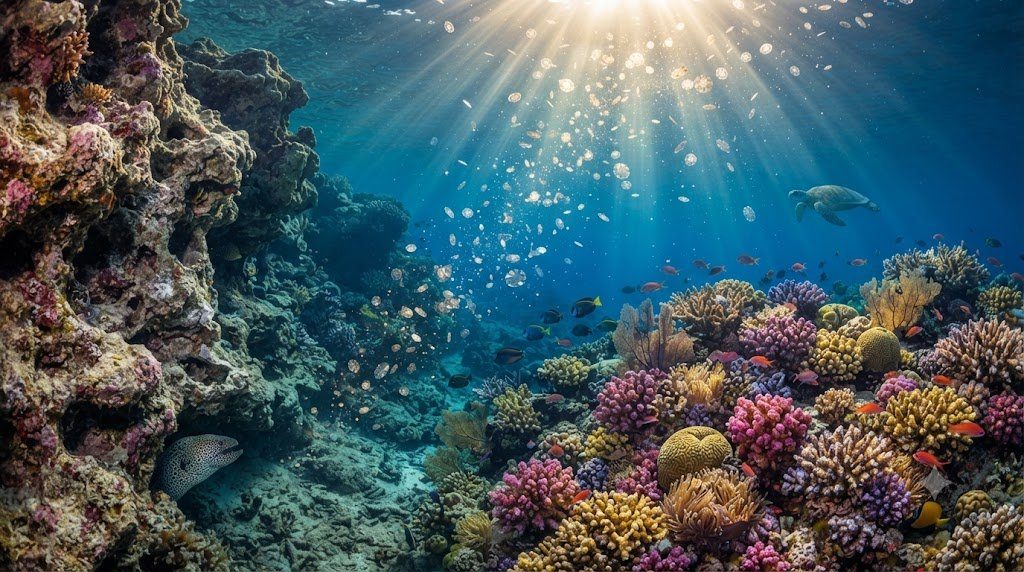
The Geological and Biological Carbon Cycle Kinetics: Silicate Weathering Thermostat, Marine Carbonate Pumps, and Ocean Acidification

🔬 Biogeochemical Kinetics & Planetary Carbon Dynamics An exhaustive geochemical and thermodynamic dissertation on planetary carbon cycle kinetics across geological and anthropogenic timescales. We formulate the Urey silicate weathering reaction and temperature-dependent negative feedback thermostat, model the biological, solubility, and carbonate counter-pumps in the global ocean, derive aquatic carbonate equilibria under rising pCO2, and analyze … Read more

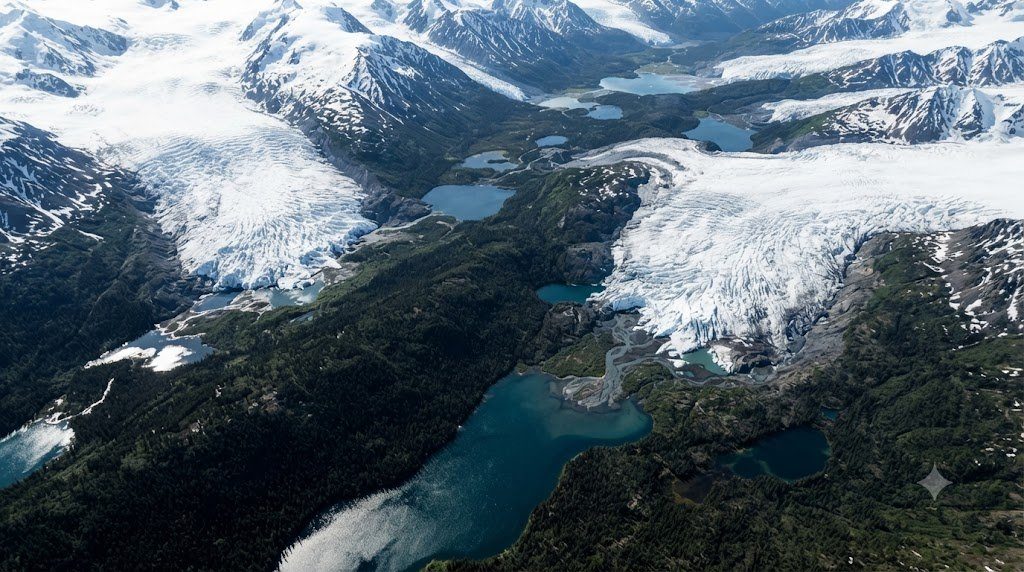
Planetary Albedo Feedbacks and Surface Radiative Budgets: Cryospheric Metamorphism, Vegetation Masking, and Top-of-Atmosphere Imbalance

🧊 Planetary Albedo & Surface Radiative Equilibrium A rigorous geophysical and thermodynamic dissertation on Earth’s surface radiative energy balance and planetary albedo feedbacks. We parameterize snow grain metamorphism and cryospheric albedo decay, analyze boreal forest canopy radiative masking, model desert and ocean surface directional reflectances, and calculate the contemporary Top-of-Atmosphere (TOA) energy imbalance driving planetary … Read more

Atmospheric Aerosols and Cloud Microphysics: Twomey Effect, Albrecht Lifetime, and Radiative Forcing Interactions

☁️ Aerosol-Cloud Interactions & Microphysics An advanced physical dissertation on atmospheric aerosol dynamics and cloud microphysical processes. We examine aerosol size distributions and Kohler droplet activation theory, derive the Twomey cloud albedo effect and Albrecht cloud lifetime effect, evaluate optical properties of scattering sulfates versus absorbing black carbon, and calculate indirect aerosol radiative forcing. While … Read more

Radiative Transfer and Greenhouse Effect Physics: Schwarzschild’s Equation, Molecular Absorption Bands, and Climate Sensitivity

☀️ Atmospheric Radiative Transfer & Quantum Physics An exhaustive theoretical and physical dissertation on planetary radiative transfer and atmospheric greenhouse thermodynamics. We formulate Schwarzschild’s equation of radiative transfer, evaluate vibrational-rotational quantum absorption bands of H2O, CO2, and CH4, derive the Planck negative feedback, analyze line-by-line spectroscopic saturation physics, and calculate Equilibrium Climate Sensitivity (ECS). The … Read more

In-Situ Meteorological Surface Station Networks: Instrument Standards, Urban Heat Island Bias, and Homogenization Algorithms

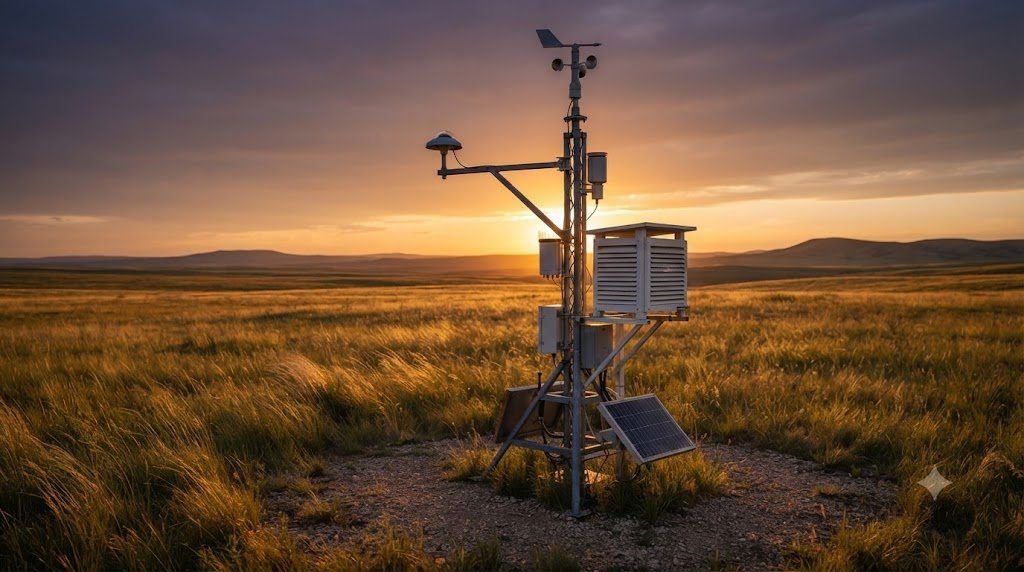
🌡️ Observational Climatology & Time-Series Homogenization An exhaustive observational climatology dissertation on in-situ meteorological surface station networks. We analyze WMO instrument standards (Stevenson screens and aspirated radiation shields), quantify the Urban Heat Island (UHI) microclimatic bias, derive statistical break-point homogenization algorithms (SNHT and PHA), and evaluate global historical temperature datasets (GHCNm, HadCRUT5, and GISTEMP). While … Read more

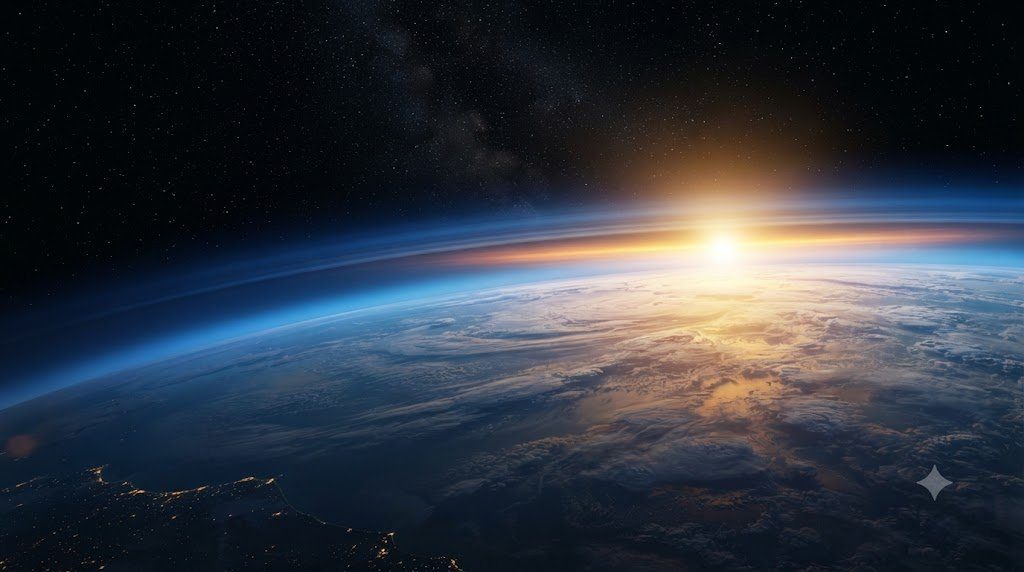
Satellite Earth Observation Climatology: Multi-Spectral Radiometry, Radar Altimetry, Gravimetry, and LiDAR Remote Sensing

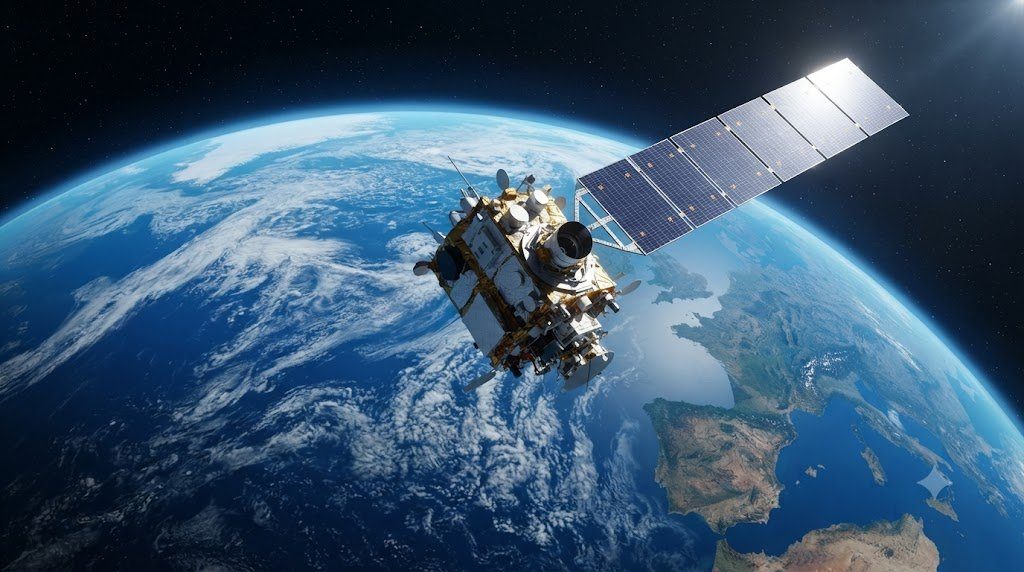
🛰️ Satellite Remote Sensing & Spaceborne Climatology An exhaustive spaceborne remote sensing dissertation on Earth observation climatology. We derive Planck radiative transfer and radiative transfer equations (RTE), analyze multi-spectral infrared and microwave radiometry, evaluate radar altimetry sea level physics (Sentinel-6), derive satellite gravimetry mass flux (GRACE-FO), and examine photon-counting LiDAR (ICESat-2). Prior to the dawn … Read more